
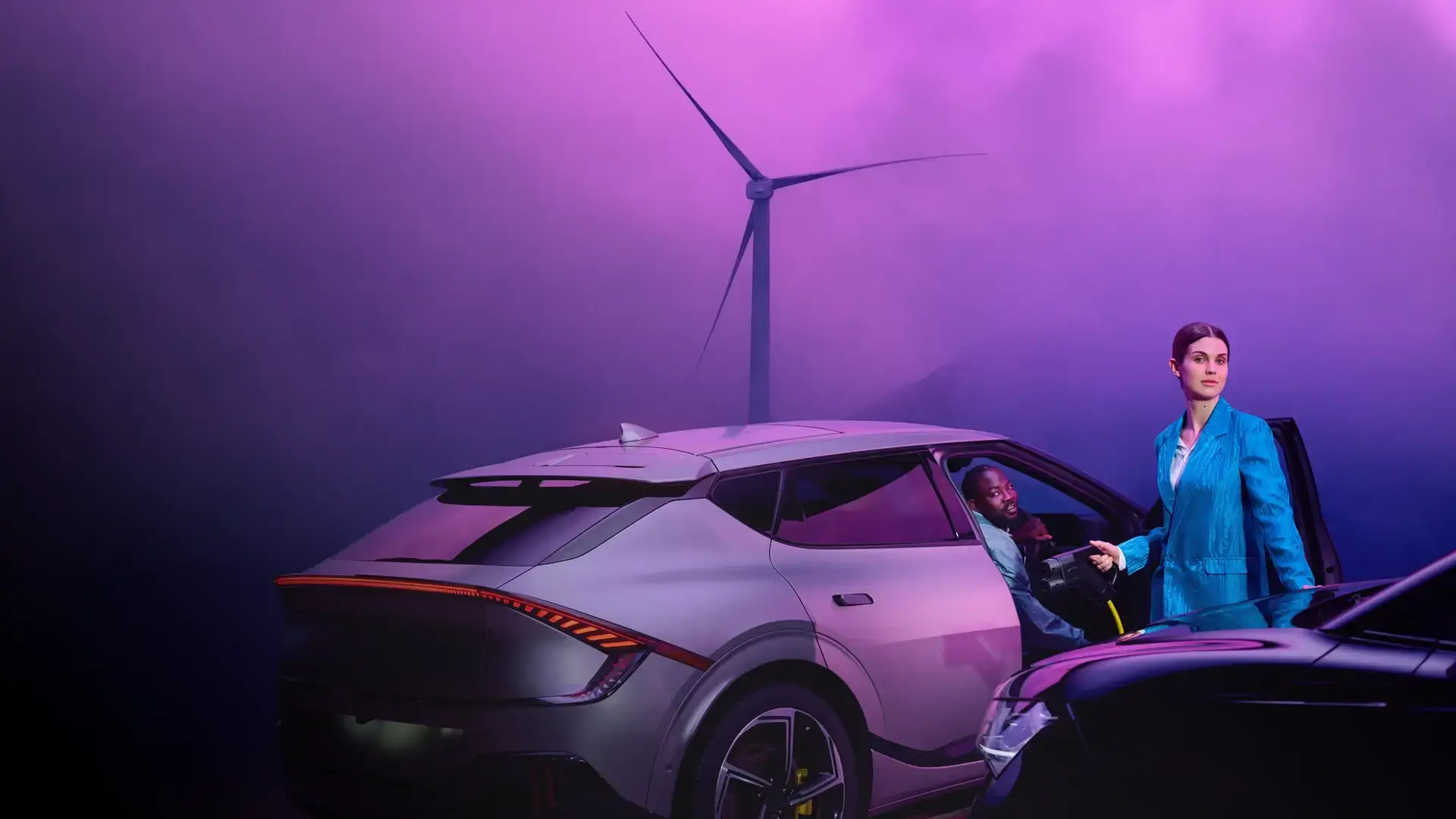

The world of mobility is undergoing a revolutionary shift, and the future of electric cars is emerging as a central force driving transformation in global transportation. With rapid innovations and rising awareness about climate change, electric cars are no longer viewed as luxury technology but as essential tools for building sustainable transportation systems. Governments, automakers, and technology companies are investing billions to enhance EV technology, improve charging infrastructure, and reduce dependence on fossil fuels. As the future of electric cars progresses, consumer demand continues to rise, supported by incentives, tax benefits, and evolving automotive policies in many countries. This moment marks a turning point where traditional internal combustion vehicles are gradually being replaced by more efficient electric vehicles, changing the way people move, work, and travel globally.
Growing Adoption and Market Expansion
The rapid global growth in the adoption of electric cars clearly reflects the increasing confidence of consumers in cleaner transportation alternatives. The future of electric cars is closely tied to global environmental commitments, including efforts to reach net-zero emissions. Governments worldwide are pushing policy initiatives that encourage the transition to electric vehicles, such as subsidies and reduced registration fees. Many major automakers are setting deadlines to stop producing gasoline-powered engines and shift entirely to EV technology. As infrastructure improves and battery costs decrease, sustainable transportation becomes more accessible to the average buyer. This growth trend proves that the future of electric cars will not be limited to premium or luxury markets but will soon represent every segment, including commercial fleets, public transport, and affordable compact cars.
Advancements in Battery and EV Technology
The biggest transformation shaping the future of electric cars comes from innovation in battery technology. New-generation batteries are being developed to support increased range, faster charging, safer performance, and reduced environmental footprint. Solid-state batteries are expected to revolutionize EV technology with higher energy density and improved reliability. Lower battery production costs are making electric vehicles more competitive than gasoline cars. Breakthroughs in lithium-iron-phosphate and graphene batteries could significantly enhance the efficiency of electric cars and support long-distance travel without frequent charging stops. These innovations play a critical role in building sustainable transportation, ensuring cleaner energy usage and improved driving experience. As charging and power capacity evolve, the barrier of range anxiety—once a major concern—will continue to diminish, reinforcing confidence in the future of electric cars.
Charging Infrastructure and Smart Energy Systems
Reliable charging networks are vital for the success and future of electric cars, and countries around the world are expanding fast-charging stations and smart grid systems. Businesses, shopping malls, and residential complexes are installing convenient charging facilities to support everyday use of electric vehicles. Ultra-fast charging technologies now allow electric cars to charge up to 80% in less than 30 minutes, significantly improving convenience for drivers. Wireless and solar charging solutions are being tested to make sustainable transportation even more efficient. Integration with renewable energy sources such as wind and solar allows EV technology to support cleaner electricity generation. Vehicle-to-grid systems are also emerging, allowing electric vehicles to provide energy back to the grid during peak hours. This development strengthens the infrastructure needed to support the growing future of electric cars globally.
Environmental Benefits and Reduced Carbon Emissions
One of the most important reasons the world is embracing the future of electric cars is the significant environmental advantage. Electric vehicles produce zero tailpipe emissions, reducing air pollution in crowded cities and helping nations meet climate goals. The adoption of electric cars directly decreases dependence on oil and fossil fuels, supporting cleaner and more sustainable transportation. As renewable energy sources become more dominant, the true environmental value of EV technology will continue to increase. Studies show that switching to electric vehicles could reduce overall greenhouse gas emissions by up to 50% or more over the next decade. For countries suffering from high pollution levels, the future of electric cars offers hope for healthier, breathable urban environments and improved public wellbeing.
Autonomous Driving and Digital Integration
The integration of artificial intelligence into the automotive industry plays a major role in shaping the future of electric cars. Autonomous driving technology is becoming more advanced, and electric cars are expected to lead the development because they support digital control systems more effectively than traditional engines. Smart sensors, machine learning, and connected networks are transforming EV technology to enhance safety, navigation, and performance. Intelligent dashboards, remote monitoring, and voice-controlled systems make the driving experience more efficient. The combination of automation and electric vehicles will support sustainable transportation through optimized traffic flow and reduced congestion. As autonomous features expand, the future of electric cars will bring a new era where driving may eventually be hands-free, convenient, and highly intelligent.
Economic Impact and Job Opportunities
The shift to electric vehicles is reshaping global industries and creating new economic opportunities. Investments in battery manufacturing, renewable energy, charging infrastructure, and smart automotive technologies are generating millions of new jobs. The future of electric cars supports not only environmental advantages but also economic growth, industrial innovation, and financial efficiency. Companies involved in EV technology receive increased funding and international partnerships, encouraging competition and cost reduction. Traditional automotive workers are being trained and redirected toward sustainable transportation fields, ensuring a progressive future built on technology-driven employment. As production expands, electric cars are becoming more affordable for consumers, strengthening demand and market stability. This structural transformation proves that the future of electric cars is fundamental to modern economic development.
Conclusion
The future of electric cars represents more than just a transportation upgrade—it symbolizes a global movement toward cleaner energy, innovative technology, and responsible environmental choices. With strong growth in consumer adoption, advancements in EV technology, expanding charging networks, and supportive government policies, electric vehicles are set to dominate future mobility. By promoting sustainable transportation, society can reduce emissions, improve public health, and build eco-friendly cities. The journey toward the future of electric cars will continue to evolve with better batteries, intelligent driving systems, and greater affordability, making them essential to the future of global mobility.